Mastering the Art of the Party Invitation Card Layout
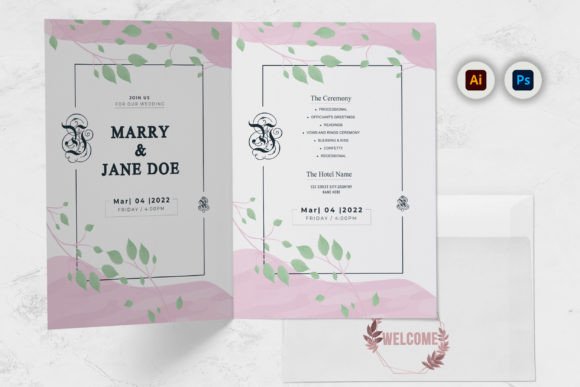
There’s a unique kind of excitement that comes with planning a celebration. Whether it’s a milestone birthday, an elegant wedding, or a casual backyard barbecue, the first tangible hint your guests receive is the invitation. It sets the tone, builds anticipation, and offers a glimpse into the event’s personality. A well-executed Party Invitation Card Layout does more than just convey date and time; it creates a mood, establishes a theme, and makes the recipient feel genuinely wanted. In a world saturated with digital noise, a thoughtfully designed invitation—whether printed or digital—stands out as a personal and professional touch.
Beyond the Template: Why a Professional Layout Matters
Many people assume creating an invitation is as simple as dropping text onto a pretty background. But professionals and savvy creators know that the underlying structure—the layout—is what separates an amateurish attempt from a polished, memorable piece. A strong layout guides the eye effortlessly from the most important information (the "what" and "when") to the secondary details (the "where" and "how"). It balances visual elements with whitespace, ensuring the design feels inviting rather than cluttered.
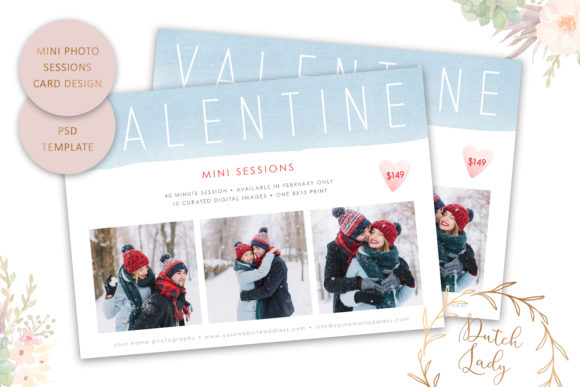
Think about the invitations you’ve received that made an impression. Chances are, they used a clear visual hierarchy. The host's names or the event title might be in a beautiful display font, immediately catching your eye. The details follow in a clean, highly readable sans serif font or a classic serif font. This thoughtful pairing isn’t accidental; it’s a core principle of effective typography that ensures both beauty and function. For a small business owner or a content creator, this same principle applies to any visual communication, from a product launch announcement to a workshop flyer.
Practical Applications for Modern Creatives
The true value of a versatile Party Invitation Card Layout extends far beyond personal parties. Its structured yet adaptable framework is a powerful design asset for a multitude of projects. Consider its utility in branding. A consistent visual language across all touchpoints builds trust. Using the same layout principles for your event invitations, thank-you cards, and promotional materials reinforces your brand identity. The clean lines and professional presentation of a well-designed template speak volumes about your attention to detail.
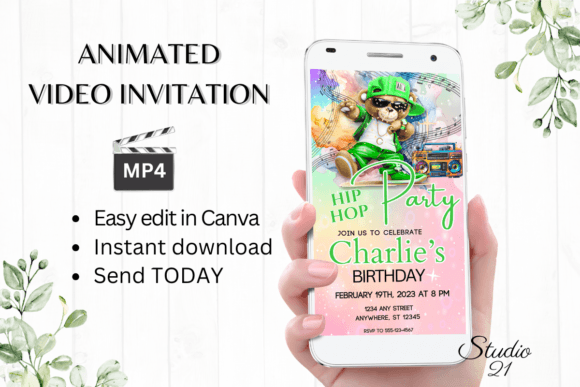
- Marketing & Social Media: Adapt the layout for eye-catching social media graphics to announce webinars, sales, or live events. The structured design ensures your message is clear even on a small phone screen.
- Print & Packaging: The principles of balance and hierarchy are fundamental to packaging design and print materials. A menu, a product tag, or a thank-you note can all benefit from the same thoughtful arrangement of text and imagery.
- Digital Products & Editorial Layouts: If you create digital planners, e-books, or editorial layouts for blogs, a consistent invitation-style layout for chapter title pages or section dividers adds a layer of professional sophistication.
- Logo Design & Web Design: While not a direct logo, the aesthetic of the layout can inspire the feel of your logo design or the structure of key landing pages on your website, especially for call-to-action sections.
For the creative entrepreneur or hobbyist crafter, having a go-to, editable template streamlines the creative process. Instead of starting from a blank canvas for every project, you begin with a proven, print-ready foundation. This saves hours of time and reduces design fatigue, allowing you to focus on customization and content.
Key Considerations for Choosing and Using Your Layout
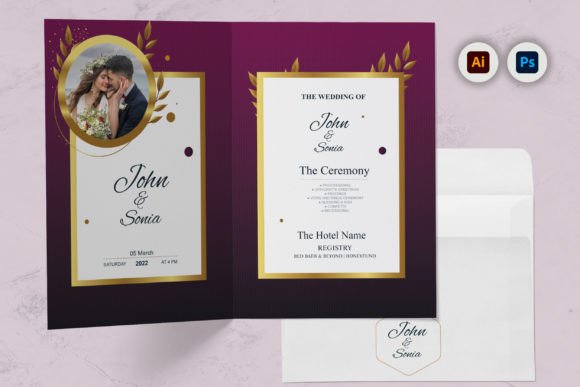
When selecting a Party Invitation Card Layout template or any premium font-based asset, a few practical checks will ensure it meets your needs. First, examine the font pairing included. Does it offer a harmonious balance between a decorative script font or handwritten font for headlines and a sturdy, readable body font? This pairing is crucial for both aesthetic appeal and readability.
Second, consider the technical specifications. A template that comes in both Illustrator (EPS) and Photoshop (PSD) formats offers maximum flexibility. The CMYK color scheme is non-negotiable for professional printing, while RGB might be needed for digital-only use. Check if the template includes a standard paper size like A5 or 5x7 inches, which are common for invitations and can be easily adapted.
Third, assess the ease of use. A template described as 100% editable with well-organized layers is a lifesaver. This means you can change colors, swap out fonts (using the free font links provided), and adjust text without digging through a chaotic file. For someone focused on running their business rather than mastering complex software, this user-friendly approach is invaluable.
Finally, think about licensing. Always verify that the asset includes a license that allows for your intended use, especially for commercial projects like merchandise or client work. A good provider will be transparent about this, giving you peace of mind.
From File to Finished Product: A Seamless Workflow
The appeal of an instant download template is its immediacy. After purchase, you can dive straight into customization. The included Help File Documentation is your best friend here, offering guidance on how to best utilize the template’s features. Need to change the color palette to match your brand’s hex codes? The organized layers make this a simple task. Want to use a different creative font from your collection? The structure is designed for easy swaps.
This workflow is particularly beneficial for marketers and bloggers who need to produce consistent visual content regularly. Imagine needing to promote a series of workshops. With a master invitation layout, you can quickly generate a cohesive set of promotional graphics for your website, email newsletter, and social platforms, maintaining a professional presentation that boosts audience engagement.
In essence, a well-crafted Party Invitation Card Layout is more than a one-off design. It’s a foundational tool for visual communication. It teaches you the principles of effective design through its structure, saves you valuable time, and provides a springboard for creativity across a wide range of applications. By starting with a solid, professional framework, you ensure that the first impression you make—whether for a party, a product, or your personal brand—is always a strong and memorable one.