New Flyer Template Design: A Modern Corporate Solution
Let's be honest: the blank canvas can be paralyzing. You have a product launch next week, an event to promote, or a service that needs a visual voice, but opening InDesign and starting from scratch feels like a monumental task. This is where a thoughtfully crafted template becomes more than a shortcut—it becomes a creative partner. The New Flyer Template Design we're exploring today isn't just a pre-made layout; it's a versatile framework built for the pace and polish of modern business communication.
Beyond the Blank Page: Understanding the Template's Core
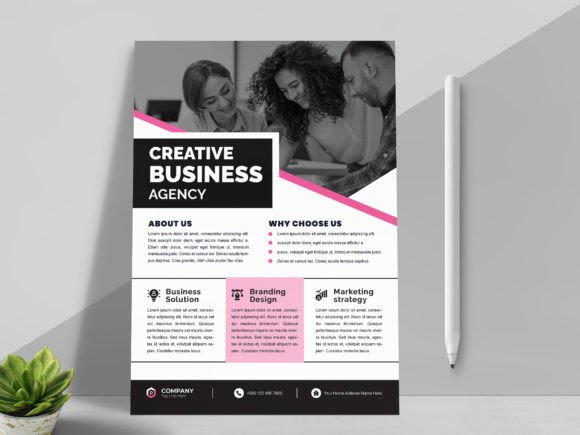
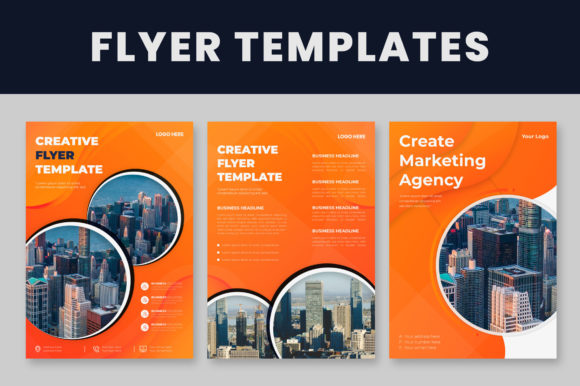
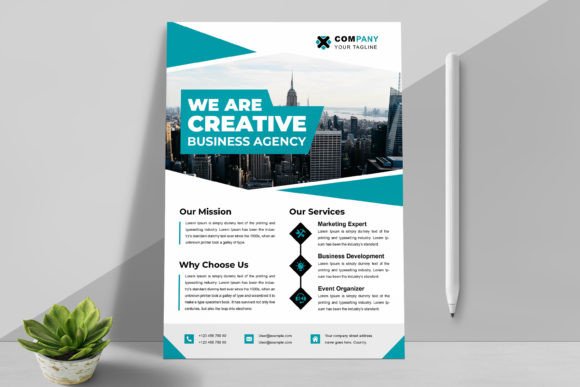
At its heart, this template is a premium design asset that marries clean, modern typography with a flexible grid system. The visual appeal lies in its balance. It uses ample white space to let content breathe, paired with bold, strategic placements for headlines and calls to action. The color scheme is intentionally set in CMYK, making the transition from screen to print seamless and predictable. Think of it as a professionally designed stage, ready for you to set your scene. The structure is well-organized, with layers and elements grouped logically, which means you spend less time hunting for the right text box and more time refining your message.
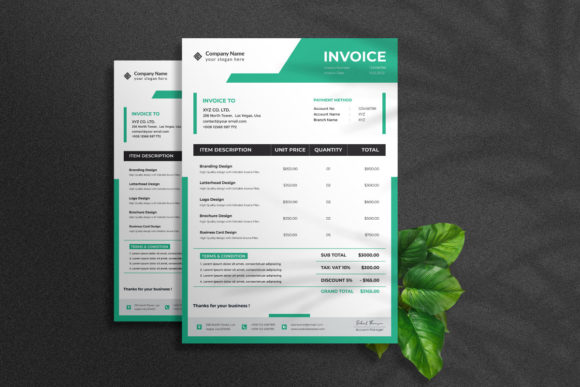
What makes it particularly powerful is its multifaceted nature. It’s not locked into a single industry. The same clean lines and professional layout that work for a corporate finance report can be adapted for a boutique bakery's grand opening or a tech startup's webinar invite. This adaptability is its greatest strength, offering a consistent foundation for diverse projects.
From Concept to Concrete: Real-World Applications
The true value of any design tool is measured by its utility. This template shines across a spectrum of needs, acting as a unifying element for your brand identity. Imagine using its structure for:
- Marketing Collateral: Create cohesive sales sheets, service brochures, and product spec sheets that all feel like they belong to the same family.
- Event Promotion: Design invitations, conference agendas, and venue maps with a unified, professional look that elevates attendee perception.
- Internal Communications: Develop clear and engaging internal newsletters, project briefs, or training materials that employees actually want to read.
- Digital Adaptations: While optimized for print, the layout principles can be adapted for social media graphics or website hero sections, ensuring your online presence matches your print materials.
For a small business owner, this means you can produce a suite of materials—posters, flyers, digital ads—that look like they were made by a dedicated design team. For a freelancer or content creator, it’s a way to deliver polished client work efficiently, building trust and professionalism into every deliverable.
Practical Customization: Making It Uniquely Yours
A template is only as good as its ability to be transformed. This is where the "100% Editable" promise comes to life. Customization goes far beyond swapping out a photo and typing in new text. You have the control to:
- Realign the Color Palette: The CMYK base is a starting point. You can instantly apply your brand's hex codes to backgrounds, text, and graphic elements, ensuring every piece is on-brand.
- Modify the Typographic Hierarchy: While the template uses a free font you can access, you can easily substitute it with your own serif, sans serif, or even a script font for headlines to inject more personality. Adjusting font weights and sizes within the existing structure is straightforward.
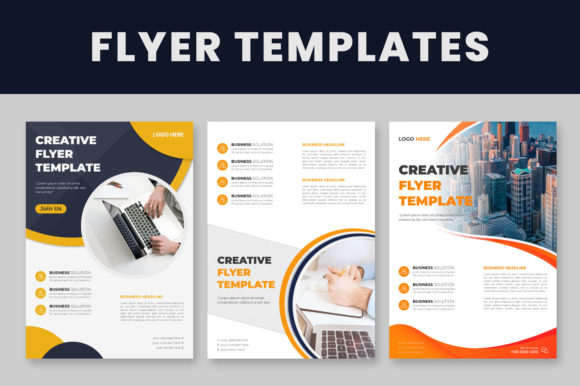
- Reshape and Rearrange: Every shape, line, and image placeholder is an independent object. You can delete a section you don't need, duplicate a panel for more content, or change the shape of a photo frame from a rectangle to a circle. This is where you move from using a template to designing with it.
The key is to see the elements as suggestions, not mandates. Your logo, your specific imagery, and your brand's voice are what will ultimately make the design resonate with your audience.
Ensuring Professional Polish: Print and Presentation
Nothing undermines a great design faster than a poor print job. The template's specifications are built to prevent common pitfalls. The standard A4 size with 3mm bleed is a professional print standard, ensuring no unprinted edges appear after trimming. The CMYK color mode is non-negotiable for accurate color reproduction in offset or digital printing. By starting with these settings correct, you avoid the last-minute scramble to fix files, which can delay projects and increase costs.
Furthermore, the organized layer structure is a gift to your future self or your printer. When a file is clean, making a last-minute text correction or adjusting an element is quick and painless. This level of organization speaks to a professional workflow, saving time and reducing frustration in the final stages of a project.
Integrating the Template into Your Creative Workflow
Adopting a new asset like this is most effective when it fits into how you already work. Because it's an InDesign (INDD) file, it's ideal for those who already use the Adobe suite for complex, multi-page documents. However, for those who primarily work in other programs, the template can still serve a vital role. You can use it as a detailed visual reference for layout and spacing, or you could export individual elements to use in other software.
Think of it as a design accelerator. Instead of building a new grid and style guide from zero for each project, you start 80% of the way there. This allows you to focus your creative energy on the strategy, messaging, and the unique creative touches that will make your project stand out. It’s about working smarter, leveraging a solid foundation to achieve a higher standard of output more consistently.
In a landscape where visual communication is constant, having reliable, adaptable tools is a strategic advantage. This New Flyer Template Design offers a blend of aesthetic appeal and practical functionality, serving as a springboard for countless professional and creative projects. It’s not about replacing your creativity, but about channeling it more effectively.